

Life of a DNS Cadet: From Classroom to the Ship Deck
Life as a Diploma in Nautical Science (DNS) cadet is not a movie scene with constant sunsets and selfies on the bridge. It is closer to a real-world apprenticeship where learning happens with grease on your hands, salt in the air, and responsibility on your shoulders. It blends classroom theory, strict routines, physical work, and professional discipline—often all in the same day.
This article presents a realistic, fact-based picture of a DNS cadet’s life onboard a commercial ship, from daily routines to long-term career growth. No exaggeration. No fake glamour. Just how life actually unfolds at sea.
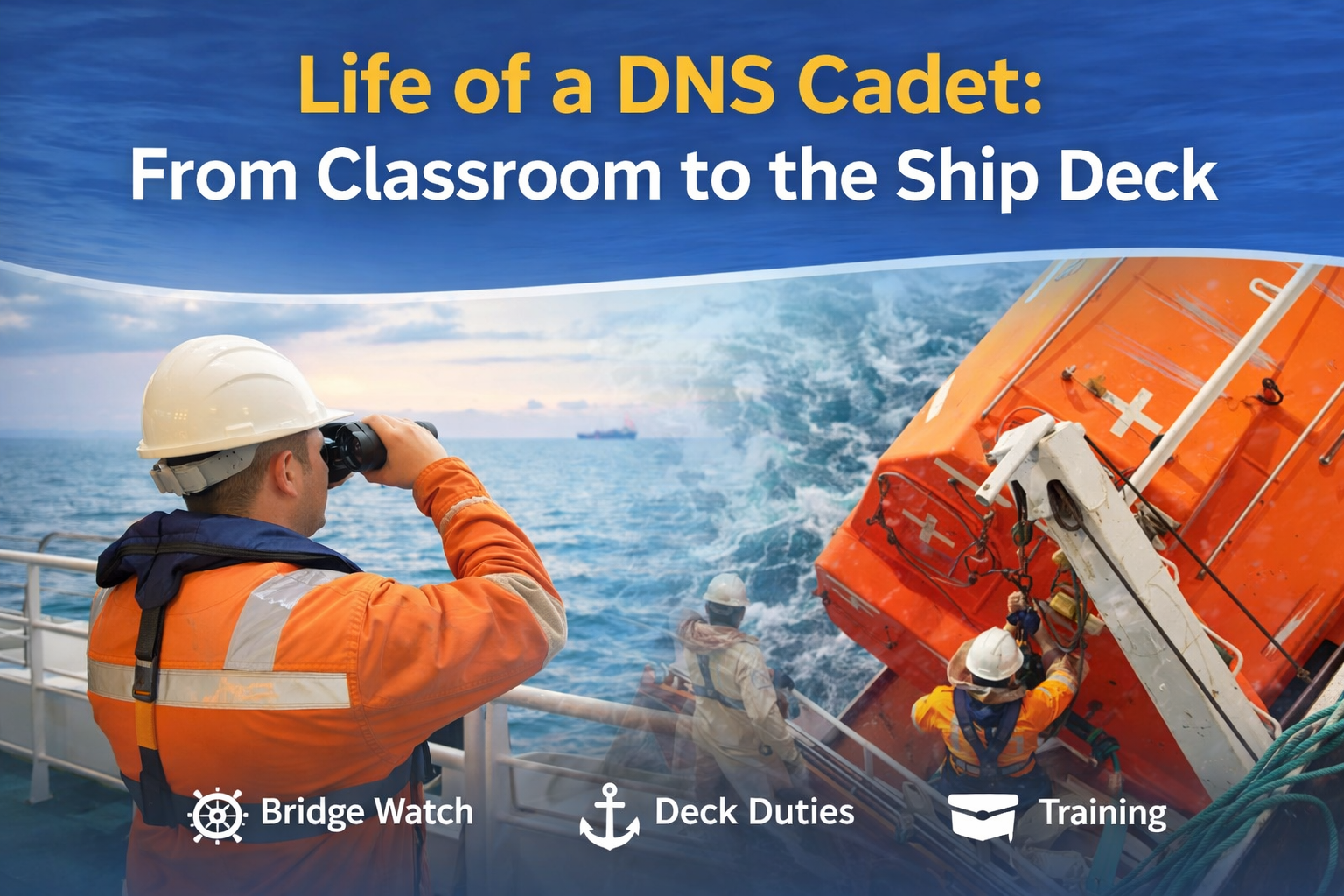

From Maritime Classroom to Moving Classroom
DNS cadets begin their journey in approved maritime institutes, where they study navigation, seamanship, ship stability, meteorology, COLREGs, and safety procedures. The classroom builds the foundation, but the ship becomes the real teacher.
Once onboard, every corridor, winch, radar screen, and checklist turns into a live learning tool. Mistakes are corrected immediately, usually with a calm explanation—or sometimes a sharp look that says, “Never do that again.” Both work surprisingly well.
Basic Information: Life of a DNS Cadet
| Category | Details |
|---|---|
| Course Name | Diploma in Nautical Science (DNS) |
| Cadet Role | Deck Cadet (Officer Trainee) |
| Training Type | Classroom + Onboard Practical Training |
| Ship Type | Container Ships, Bulk Carriers, Tankers, LNG/LPG, Car Carriers |
| Watch System | 4 hours on / 8 hours off or 6 hours on / 6 hours off |
| Primary Workplace | Ship’s Bridge and Deck |
| Daily Duties | Navigation watch, deck maintenance, safety drills, documentation |
| Supervision | Second Officer, Chief Mate, Master |
| Safety Compliance | STCW, ISM Code, Company SMS |
| Living Arrangement | Shared or single cabin (varies by ship/company) |
| Food & Mess | Ship’s galley (officer or crew mess) |
| Internet Access | Limited or paid (company dependent) |
| Training Record | Mandatory Training Record Book (TRB) |
| Sea Time Requirement | As per STCW and Flag State rules |
| First Promotion | Third Officer (Officer of the Watch) |
| Career Progression | 3/O → 2/O → Chief Officer → Master |
| Initial Stipend | Low during cadetship (varies by company) |
| Long-Term Salary Growth | Significant after officer promotion |
| Core Skills Gained | Navigation, seamanship, leadership, safety management |
| Work Environment | Physically demanding, regulated, safety-driven |
Watch System Explained
Most ships follow:
- 4 hours on / 8 hours off (4–8, 12–4), or
- 6 hours on / 6 hours off on certain vessels
Cadets usually assist during bridge watches under officer supervision. They may also perform deck watches or lookout duties, especially at night or in restricted visibility.
A Typical Day at Sea
A cadet’s day often includes:
- Pre-watch equipment checks
- Bridge watch duties: navigation monitoring, radar observation, logbook entries
- Deck rounds: checking safety equipment and mooring stations
- Maintenance tasks: painting, rust removal, greasing fittings
- Study time: charts, procedures, or upcoming assessments
Days blend together at sea. Ports, however, change everything. Sleep reduces, work increases, and coffee becomes a survival tool.


Training and Practical Tasks Onboard
Bridge and Navigation Skills
Cadets gradually learn:
- Radar plotting and collision avoidance
- Chart corrections and passage planning
- ECDIS operation and cross-checking
- Helm handling and basic conning
- Understanding VDR and bridge alarms
Navigation teaches decision-making under pressure. One wrong assumption can mean a lot of explaining later.
Seamanship and Deck Work
Expect hands-on tasks such as:
- Mooring and unmooring operations
- Anchoring procedures
- Cargo lashing and inspections
- Line handling and deck maintenance
- Rust treatment and painting
This is where classroom theory meets physical reality. Yes, it is tiring. Yes, it matters.
Safety and Emergency Drills
Ships conduct regular drills:
- Firefighting
- Lifeboat launching
- Man-overboard response
- Damage control
- Muster drills
Cadets actively participate. These drills build muscle memory, which becomes critical during real emergencies.
Administrative and Documentation Work
Ships run on paperwork as much as on fuel.
Cadets assist with:
- Deck logbooks
- Standing orders
- Planned maintenance records
- ISM and ISO documentation
- Certificate tracking
Learning to write clear, accurate entries is an underrated skill. Poor records raise questions during inspections—and nobody wants that.
Mentorship and Learning Culture
Cadets work under:
- Second Officer
- Chief Mate
- Master
Knowledge transfers through:
- Watch handovers
- Supervised tasks
- Real-time corrections
Good officers teach patiently. Tough officers teach efficiently. Both leave lasting lessons.
Workload, Fatigue, and Reality Check
Long Working Hours
Official watch hours rarely tell the full story. Cargo operations, drills, inspections, and maintenance extend the day. Some days feel long. Some feel endless.
Physical and Mental Demands
Challenges include:
- Physical labor
- Ship motion and vibration
- Noise and confined spaces
- High concentration during navigation
Fatigue exists, even with rest regulations under STCW and MLC. Managing energy becomes a survival skill.
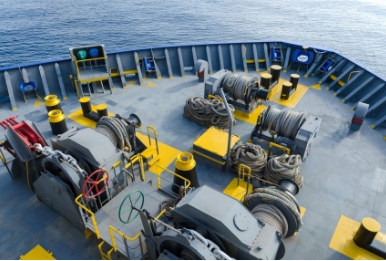

Living Aboard a Commercial Ship
Accommodation
Cabins are simple:
- Bed
- Storage
- Desk
- Shared or private bathroom (varies by ship)
Luxury is not the goal. Functionality is.
Food and Mess Life
Meals come from the ship’s galley. Quality depends on the cook and company. Cadets usually eat with junior officers or ratings.
Recreation and Connectivity
Options are limited:
- Gym equipment
- Movies and books
- Occasional shore leave
- Internet (often slow or restricted)
Social life revolves around crewmates. Strong friendships form quickly at sea.
Learning Curve and Certification Process
Practical Learning
Cadets learn by:
- Repetition
- Observation
- Supervised responsibility
Errors are corrected immediately because safety allows no delay.
Training Record Book
Cadets must complete:
- Required sea time
- Specified onboard tasks
- Documented assessments
This record is essential for certification. Keeping it neat, accurate, and updated is non-negotiable.


Examinations and Assessments
Before promotion, cadets undergo:
- Written exams
- Oral (viva voce) assessments
- Simulator training
Preparation starts onboard. Waiting until shore leave is a mistake.
Safety Culture and Regulations
Ships operate under:
- Strict PPE rules
- Permit-to-work systems
- Company safety manuals
- International conventions
Cadets often witness real safety incidents or near misses. These moments teach responsibility faster than any textbook.
Career Progression After DNS
Typical Timeline
- DNS Cadet
- Third Officer (OOW)
- Second Officer
- Chief Officer
- Master
Progression depends on sea time, exams, performance, and discipline.
Skills That Transfer Beyond Sea
Mariners gain:
- Leadership and teamwork
- Crisis management
- Technical knowledge
- International regulatory understanding
These skills remain valuable even ashore.
Remuneration Growth
Cadet pay remains modest. However, income rises significantly after officer promotion. Employers usually cover:
- Travel
- Accommodation
- Food
Tax benefits may apply depending on residency status and sailing days.
Common Challenges and How Cadets Cope
Fatigue and Isolation
Cadets manage by:
- Structured sleep routines
- Staying in touch with family
- Supporting each other onboard
Learning Under Pressure
Effective methods include:
- Keeping a small notebook
- Asking precise questions
- Reviewing past voyages
- Using simulators during leave
Company Variability
Training quality varies by company and ship. Treat each vessel as a learning opportunity and document everything clearly.
Illustrative Examples
Example A: Container Ship Cadet
- Morning bridge watch
- Afternoon deck maintenance
- Weekly lifeboat drill
- Evening ECDIS study
Example B: Tanker Cadet
- Cargo handling procedures
- Pump-room communication
- Confined-space drills
- Detailed cargo documentation
Different ships, same discipline.


Practical Tips for DNS Cadets
- Volunteer for learning opportunities
- Maintain a clean, backed-up training record
- Prioritize rest and nutrition
- Write clear log entries and handovers
- Study regulations and company manuals daily
Small habits build long careers.
Final Summary
Life as a DNS cadet is demanding, structured, and deeply practical. It combines watchkeeping, seamanship, safety training, and administrative responsibility under constant supervision. The work is hard, the hours are long, and the learning never stops—but the path is clear.
For those who accept the discipline and effort, the reward is not just a certificate, but a professional maritime career built on real skills, global exposure, and responsibility at sea.