Skip to content

Fleet Frontier

  • 91+ 9471664653
  • fleetfrontier@gmail.com
Facebook Twitter Youtube
fleetfrontier
Menu
  • Home
  • About
  • Blogs
  • Courses
  • Disclaimer
  • Privacy Policy
  • My Account
  • Contact
  • E-Book
Enquire Now

Home


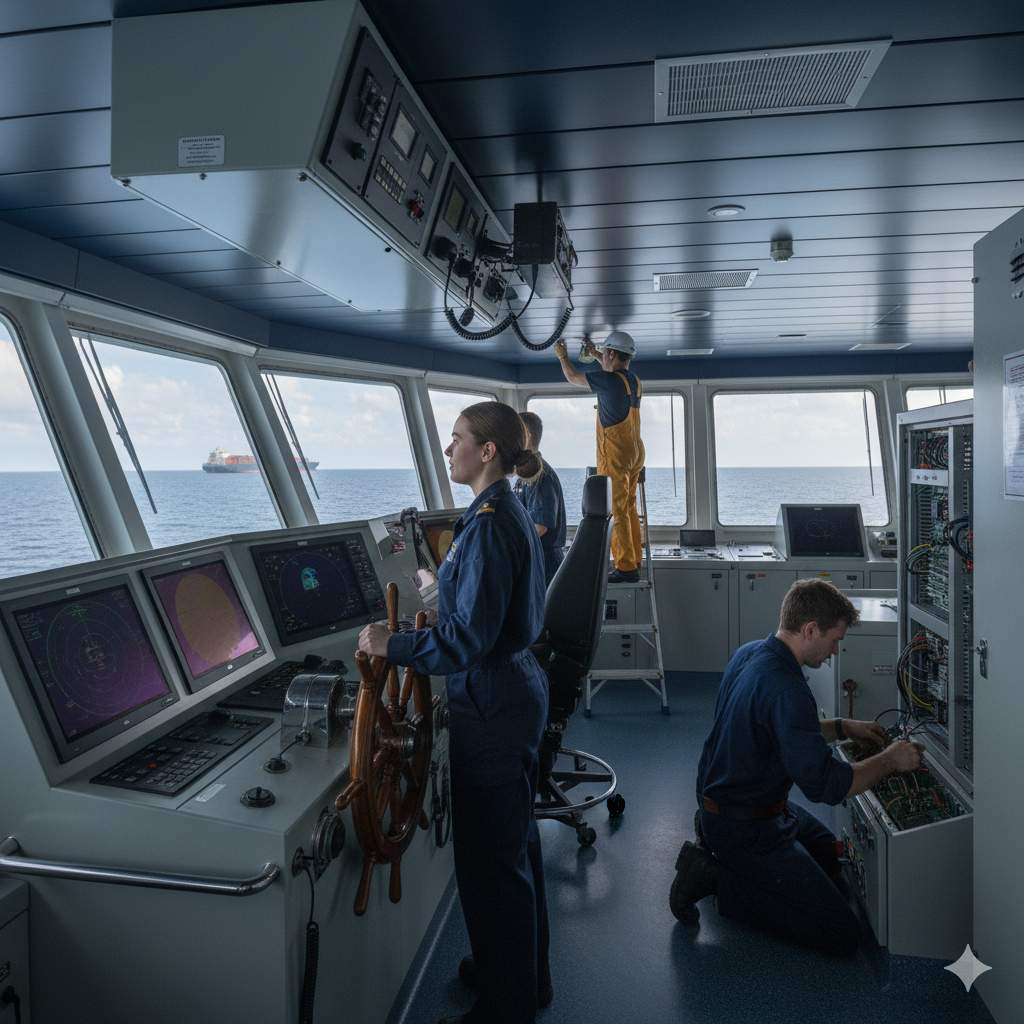
Find The Right Information To Merchant Navy.

“Guided by the stars, driven by the tides — the Merchant Navy carries the spirit of adventure and the strength of the seas.”

 
View more

Watch Our Latest Video

Enclosed Space Entry: Why Do Seafarers Still Die? 🚨 | Real MAIB Cases & IMO MSC.581(110) Explained in 3D

🚢 Why do seafarers continue to die inside ballast tanks, cargo holds, and chain lockers despite safety procedures and gas detectors?

In this 3D maritime safety documentary, explore the hidden dangers of enclosed spaces, oxygen deficiency, toxic gases, and fatal rescue attempts. Discover three real maritime accidents: Viking Islay (2007), Suntis (2014), and Berge Mawson (2022).

⚠️ WHAT YOU WILL LEARN

Enclosed space hazards and dangerous gases (O₂, CO₂, H₂S, CO).

Real MAIB accident investigations.

Why rescuers become victims.

Safe entry permits, isolation, and ventilation.

Gas testing and continuous monitoring.

The 8-step safe entry procedure.

IMO MSC.581(110) and SOLAS safety requirements.

Emergency rescue planning and precautions.

⏱️ VIDEO CHAPTERS

00:00 – Introduction
00:40 – What Is an Enclosed Space?
01:22 – The Invisible Killers
02:37 – Viking Islay (2007)
03:27 – Suntis (2014)
04:15 – Berge Mawson (2022)
05:08 – The Rescuer Becomes the Second Victim
05:57 – Safe Entry Procedure: Part 1
06:41 – Safe Entry Procedure: Part 2
07:47 – IMO MSC.581(110) Explained
08:45 – Final Warning
09:31 – End Screen

🎬 Created by V.K. SINGH | Fleet Frontier – Maritime Safety & Merchant Navy Education

🌐 EXPLORE OUR WEBSITES
🚢 Website: https://fleetfrontier.in/
📚 Maritime eBooks: https://ebooks.fleetfrontier.in/
🩺 SeafarerFit: https://seafarerfit.com/

📲 CONNECT WITH FLEET FRONTIER

▶️ YouTube: https://www.youtube.com/@Fleetfrontier
📸 Instagram: https://www.instagram.com/fleetfrontier.in/
📢 Telegram: https://t.me/fleetfrontier
💼 LinkedIn: https://www.linkedin.com/in/fleetfrontier-in-19908938b/
📘 Facebook: https://www.facebook.com/profile.php?id=61581723120784
🐦 X: https://x.com/fleetfrontier

📚 OFFICIAL REFERENCES

IMO MSC.581(110): https://wwwcdn.imo.org/localresources/en/KnowledgeCentre/IndexofIMOResolutions/MSCResolutions/MSC.581(110).pdf

MAIB Accident Reports: https://www.gov.uk/government/organisations/marine-accident-investigation-branch

👍 Like, share, and subscribe for more 3D marine engineering animations, maritime safety documentaries, real ship accident investigations, and Merchant Navy educational videos.

⚠️Educational content only. Never enter an enclosed space without proper authorisation, atmospheric testing, isolation, ventilation, and rescue arrangements. Never attempt an unplanned rescue. Always follow your vessel's SMS, SOLAS requirements, and approved procedures.

#EnclosedSpaceEntry #MaritimeSafety #MerchantNavy #SOLAS #MAIB #MSC581110 #SeafarerSafety #MarineEngineering #FleetFrontier #3DAnimation

enclosed space entry, enclosed space accident, Viking Islay accident, Suntis accident, Berge Mawson accident, IMO MSC.581(110), SOLAS enclosed space, oxygen deficiency, toxic gases on ships, enclosed space rescue, Merchant Navy safety, Fleet Frontier
Enclosed Space Entry on Ships 🚨 | 3 Fatal Accidents & New IMO Rules Explained
🚢 World's Deadliest Peacetime Ship Disaster: MV Doña Paz 😱🌊 #shorts 

#MVDoñaPaz #DonaPaz #ShipDisaster #MaritimeDisaster #DeadliestShipDisaster #ShipCollision #ShipSinking #MaritimeHistory #OceanDisaster #PassengerFerry #MerchantNavy #ShipFacts #DarkHistory #HistoryShorts #YouTubeShorts #FleetFrontier
🚢 World's Deadliest Peacetime Ship Disaster: MV Doña Paz 😱🌊 #shorts
How to Inspect Piston Rings & Cylinder Liner Wear in Marine Diesel Engines ⚙️🚢 | Step-by-Step Guide

⚙️ How do marine engineers check piston ring condition and measure cylinder liner wear in a large marine diesel engine?

Piston rings and cylinder liners are critical components of a marine diesel engine. Excessive wear, damaged ring coatings, incorrect clearances, or abnormal liner wear can contribute to blow-by, increased lubricating oil consumption, reduced compression, and poor engine performance.

In this 3D animated marine engineering video, learn how piston rings and cylinder liners are inspected, what wear patterns to look for, how liner wear measurements are taken, and why inspection results must be compared with the engine manufacturer's specified limits.

🚢 WHAT YOU WILL LEARN

Piston, piston rings, and cylinder liner construction

Safety preparations before inspection

Visual inspection of piston rings for cracks, damage, and abnormal wear

Ring coating condition and piston ring groove clearance

How cylinder liner wear is measured

Understanding liner ovality, taper, and wear ridges

Identifying abnormal liner wear patterns

Piston removal and overhaul inspection considerations

Recording measurements and deciding the next maintenance action

⏱️ VIDEO CHAPTERS

00:00 – Introduction
00:38 – Understanding the Piston and Liner
01:19 – Safe Preparation Before Inspection
02:08 – Visual Inspection of Piston Rings
02:58 – Ring Coating and Groove Clearance
03:48 – Measuring Cylinder Liner Wear
04:48 – Ovality, Taper and Wear Ridges
05:33 – Identifying Abnormal Liner Wear
06:23 – Piston Removal and Overhaul Inspection
07:13 – Recording Results and Deciding the Next Action
08:03 – Final Recap

🔧 WHY IS PISTON RING AND CYLINDER LINER INSPECTION IMPORTANT?

Regular inspection helps marine engineers assess the condition of critical engine components and identify wear before it develops into a more serious problem.

Piston rings help seal combustion gases, control the lubricating oil film, and transfer heat from the piston to the cylinder liner.

Cylinder liners provide the working surface for piston movement. Measuring liner wear helps identify changes in diameter, taper, and ovality and supports maintenance planning.

Inspection findings must be evaluated alongside operating records, lubrication condition, scavenge-space observations, and the manufacturer's wear limits.

🎓 WHO SHOULD WATCH THIS VIDEO?

This video is useful for B.Tech Marine Engineering students, Merchant Navy engine cadets, marine engineering diploma students, junior marine engineers, and seafarers preparing for technical examinations, MEO viva questions, and onboard machinery familiarisation.

🎬 Created by V.K. SINGH | Fleet Frontier — Marine Engineering Explained

🌐 EXPLORE OUR WEBSITES & MARITIME RESOURCES

🚢 Official Website – Fleet Frontier:
https://fleetfrontier.in/

📚 Maritime eBooks & Study Guides:
https://ebooks.fleetfrontier.in/

🩺 Seafarer Health & Fitness – SeafarerFit:
https://seafarerfit.com/

📲 CONNECT WITH FLEET FRONTIER ON SOCIAL MEDIA

📢 Telegram Channel: https://t.me/fleetfrontier

▶️ YouTube: https://www.youtube.com/@Fleetfrontier

📸 Instagram: https://www.instagram.com/fleetfrontier.in/

💼 LinkedIn: https://www.linkedin.com/in/fleetfrontier-in-19908938b/

📘 Facebook: https://www.facebook.com/profile.php?id=61581723120784

🐦 X (Twitter): https://x.com/fleetfrontier

👍 LIKE, SHARE & SUBSCRIBE!

Subscribe to Fleet Frontier for more 3D animated marine engineering videos, marine diesel engine troubleshooting, ship machinery explanations, maintenance tutorials, and Merchant Navy educational content.

💬 COMMENT BELOW: Which marine diesel engine component should we explain next — piston rings, cylinder liners, exhaust valves, or fuel injectors?

⚠️ EDUCATIONAL DISCLAIMER

This video is intended for educational purposes only. Actual inspection procedures, measurement locations, allowable wear, ring clearances, and overhaul criteria vary by engine design and manufacturer. Always follow the engine manufacturer's manual, approved isolation and lockout procedures, vessel safety requirements, and the Chief Engineer's instructions. Never carry out inspections on machinery that has not been made safe.

#MarineEngineering #PistonRings #CylinderLiner #MarineDieselEngine #MerchantNavy #EngineCadet #EngineOverhaul #EngineMaintenance #MarineEngineer #FleetFrontier #3DAnimation #MarineEngineeringExplained #MEOExam

how to inspect piston rings, cylinder liner wear measurement, marine diesel engine piston rings, marine cylinder liner inspection, piston ring wear in diesel engine, cylinder liner wear in marine engine, measuring cylinder liner wear, cylinder liner ovality and taper, piston ring groove clearance, piston ring coating damage, marine engine overhaul, two stroke marine diesel engine, marine diesel engine maintenance, engine cadet training, marine engineering viva questions, Merchant Navy study material, ship engine room
Marine Diesel Engine Inspection: Piston Rings and Cylinder Liner Wear Explained
Pilot Ladder Rules 2028 Explained ⚓🚢 | New SOLAS V/23 Requirements, Inspection & Safety in 3D

⚓ WHAT YOU WILL LEARN

🔹 New SOLAS Chapter V, Regulation 23 requirements for 2028
🔹 Pilot ladder height of climb: minimum 1.5 m and maximum 9 m
🔹 When a combination arrangement with an accommodation ladder is required
🔹 Pilot ladder dimensions: 400 mm between inner side ropes, steps at least 115 mm wide and 25 mm thick, and 310–350 mm spacing
🔹 Spreader steps at least 1.8 m long
🔹 Side rope requirements: 20–22 mm diameter and minimum 24 kN breaking strength
🔹 Manrope dimensions: 28–32 mm, single length, free from splices and knots along the working length
🔹 Strong points, shackles, and securing ropes with a minimum breaking strength of 48 kN
🔹 Why a pilot ladder winch reel must not support the ladder while it is in use
🔹 Required lighting, lifebuoy with self-igniting light, and heaving line
🔹 Inspection before and after each use and detailed inspections every three months
🔹 Replacement deadlines, prohibition on repairing ladder steps, and onboard spare requirements

⏱️ VIDEO CHAPTERS

00:00 – Introduction: A Critical Transfer at Sea
00:24 – What Changes in 2028?
00:52 – Height of Climb & Combination Arrangement
01:19 – Pilot Ladder Design and Dimensions
01:53 – Securing, Strong Points and Manropes
02:20 – Rigging, Access, Lighting and Hoists
02:52 – Responsible Officer, Inspection and Maintenance
03:20 – Replacement and Service-Life Limits
03:45 – Who Must Comply, and By When?
04:19 – Final Safety Checklist

🎓 WHO SHOULD WATCH THIS VIDEO?

This video is useful for:

⚓ Deck cadets and engine cadets
🚢 Merchant Navy aspirants and working seafarers
🧭 Chief officers, deck officers, and ship masters
🔧 Marine engineering students and shipboard personnel
📚 Candidates preparing for maritime safety examinations and interviews

🎬 Created by V.K. SINGH | Fleet Frontier

Fleet Frontier explains marine engineering, maritime safety, ship machinery, and Merchant Navy topics through educational 3D animations.

🌐 EXPLORE OUR WEBSITES & MARITIME RESOURCES

🚢 Official Website – Fleet Frontier:
https://fleetfrontier.in/

📚 Maritime eBooks & Study Guides:
https://ebooks.fleetfrontier.in/

🩺 Seafarer Health & Fitness – SeafarerFit:
https://seafarerfit.com/

📲 CONNECT WITH FLEET FRONTIER ON SOCIAL MEDIA

📢 Telegram Channel: https://t.me/fleetfrontier

▶️ YouTube: https://www.youtube.com/@Fleetfrontier

📸 Instagram: https://www.instagram.com/fleetfrontier.in/

💼 LinkedIn: https://www.linkedin.com/in/fleetfrontier-in-19908938b/

📘 Facebook: https://www.facebook.com/profile.php?id=61581723120784

🐦 X (Twitter): https://x.com/fleetfrontier

👍 LIKE, SHARE & SUBSCRIBE!

Subscribe to Fleet Frontier for more 3D animated marine engineering explanations, Merchant Navy study content, maritime regulations, shipboard safety procedures, and technical tutorials.

💬 COMMENT BELOW: Are you preparing for the 2028 pilot ladder rule changes? Which requirement do you think every deck cadet should know first?

📚 OFFICIAL SOURCES & FURTHER READING

IMO Resolution MSC.572(110) – Amendments to SOLAS Chapter V, Regulation 23:
https://wwwcdn.imo.org/localresources/en/KnowledgeCentre/IndexofIMOResolutions/MSCResolutions/MSC.572%28110%29.pdf

IMO Resolution MSC.576(110) – Performance Standards for Pilot Transfer Arrangements:
https://wwwcdn.imo.org/localresources/en/OurWork/Safety/Documents/Pilotage/resolution%20MSC.576%28110%29.pdf

IMO MSC.1/Circ.1428/Rev.1 – Required Pilot Transfer Arrangements for Pilots and Other Personnel:
https://wwwcdn.imo.org/localresources/en/OurWork/Safety/Documents/Pilotage/MSC.1-Circ.1428-Rev.1.pdf

IMO Pilotage Information:
https://www.imo.org/en/ourwork/safety/pages/pilotage.aspx

International Maritime Pilots' Association (IMPA):
https://impahq.org/required-pilot-transfer-arrangements

⚠️ EDUCATIONAL DISCLAIMER

This video is an educational illustration and is not a substitute for the current SOLAS text, flag-State instructions, approved shipboard procedures, or instructions from the relevant maritime authorities. Visuals are representative, and actual arrangements vary according to ship type and design. Always consult the applicable regulations and approved documentation before making compliance decisions.

#PilotLadder #SOLAS #PilotTransferArrangement #MaritimeSafety #MerchantNavy #DeckCadet #EngineCadet #MarineEngineering #FleetFrontier #3DAnimation #ShipSafety #PilotLadderRules2028 #SOLASV23

pilot ladder rules 2028, new SOLAS V/23 requirements, pilot transfer arrangement, MSC.576(110), MSC.572(110), pilot ladder inspection, pilot ladder dimensions, pilot ladder height of climb, combination pilot ladder arrangement, accommodation ladder, pilot ladder winch reel, manrope requirements, spreader step, pilot transfer safety, maritime safety regulations, Merchant Navy, deck cadet, engine cadet, marine engineering, SOLAS pilot ladder changes, Fleet Frontier, V.K. Singh
Pilot Ladder Rules 2028 Explained ⚓🚢 | New SOLAS V/23 Requirements, Inspection & Safety in 3D
Low Compression in Marine Diesel Engine ⚙️🚢 | Causes, Symptoms & Troubleshooting Explained in 3D

⏱️ YOUTUBE VIDEO CHAPTERS
00:00 – Fleet Frontier Intro
00:12 – Introduction: Low Compression in Marine Diesel Engines
00:40 – How Compression Pressure Is Created
01:15 – Cause 1: Worn or Broken Piston Rings
02:10 – Cause 2: Cylinder Liner Wear
02:50 – Cause 3: Inlet & Exhaust Valve Leakage
03:45 – Cause 4: Cylinder-Head Sealing Problems
04:38 – Cause 5: Low Charge-Air / Scavenge-Air Pressure
05:10 – Other Causes & Misleading Readings
05:50 – Symptoms of Low Compression Pressure
06:30 – How a Marine Engineer Diagnoses Low Compression
07:40 – Think Like a Marine Engineer
08:30 – Final Recap
09:10 – Fleet Frontier Outro
09:20 – End Screen

🚢 Explore the World of Ships, Marine Engines & Maritime Technology | Fleet Frontier

⚙️ Ever wondered how a ship’s engine works, how marine machinery operates, or how officers navigate massive vessels across the oceans?

Welcome to Fleet Frontier — your destination for Marine Engineering, Merchant Navy education, ship machinery, bridge equipment, and maritime knowledge!

🌊 WHAT YOU’LL DISCOVER ON FLEET FRONTIER

⚙️ Marine Diesel Engines: Engine components, fuel injection, turbochargers, and troubleshooting.

🔧 Ship Machinery: Pumps, valves, compressors, generators, boilers, and auxiliary systems.

🧭 Bridge Equipment: Marine radar, ECDIS, AIS, GPS, gyrocompass, and navigation systems.

🚢 Ship Systems: Propulsion, steering gear, cooling, lubrication, bilge, ballast, and other essential onboard systems.

🌍 Maritime Regulations: MARPOL, IMO conventions, SOLAS, and ship pollution-prevention requirements.

🎓 Merchant Navy Education: Marine engineering concepts, practical knowledge, viva questions, and educational 3D animations.

Whether you’re a Merchant Navy cadet, B.Tech Marine Engineering student, aspiring seafarer, or maritime enthusiast, Fleet Frontier helps you understand the technology that keeps ships operating at sea.

⚓ FOLLOW FLEET FRONTIER ON ALL PLATFORMS

🌐 Official Website: https://fleetfrontier.in/

📚 Maritime eBooks & Study Guides: https://ebooks.fleetfrontier.in/

🩺 Seafarer Health & Fitness: https://seafarerfit.com/

▶️ YouTube: https://www.youtube.com/@Fleetfrontier

📸 Instagram: https://www.instagram.com/fleetfrontier.in/

💼 LinkedIn: https://www.linkedin.com/in/fleetfrontier-in-19908938b/

📘 Facebook: https://www.facebook.com/profile.php?id=61581723120784

🐦 X (Twitter): https://x.com/fleetfrontier

📢 Telegram Channel: https://t.me/fleetfrontier

🔥 HELP US GROW THE MARITIME COMMUNITY!

👍 Like this Short if you love ships and marine engineering.

💬 Comment below: Which marine engine, ship machinery component, bridge instrument, or IMO regulation should we explain next?

🔔 Subscribe to Fleet Frontier for more marine engineering tutorials, ship machinery explainers, maritime facts, and realistic 3D educational animations.

⚓ Fleet Frontier — Explore Ships. Understand Engineering. Navigate Knowledge.

#Shorts #MarineEngineering #MerchantNavy #ShipMachinery #MarineDieselEngine #ShipSystems #BridgeEquipment #MARPOL #IMO #SOLAS #MaritimeEducation #ShipTechnology #Seafarer #NauticalScience #FleetFrontier
Low Compression in Marine Diesel Engine ⚙️🚢 | Causes, Symptoms & Troubleshooting Explained in 3D
Tappet Clearance Explained in 3D | How to Measure & Adjust Valve Clearance | Marine Diesel Engine
 
What is tappet clearance, why does a marine diesel engine need it, and how do you measure and adjust it safely with a feeler gauge? This 3D animation follows a conventional four-stroke auxiliary engine with a mechanical rocker-arm valve train: camshaft, roller tappet, pushrod, rocker arm, adjusting screw, locknut and valves.
 
Chapters:
0:00 Intro
0:04 Why does this tiny gap matter?
0:30 What is tappet clearance?
1:44 Why is tappet clearance necessary?
2:39 Tools required
3:14 Safety before measurement
3:54 Position the engine correctly
4:45 How to measure tappet clearance
5:27 Step-by-step clearance adjustment
6:12 Common mistakes and troubleshooting
6:54 Final checks and recap
 
Important: no clearance, torque or interval values are given because they are engine-model specific. Always follow the engine maker's instruction manual, adjustment chart and your vessel's safety procedures (permit to work, lockout/tagout, starting-air isolation). Engines with valve bridges or hydraulically operated exhaust valves have their own procedures.
 
Created by V.K. SINGH · Fleet Frontier · https://fleetfrontier.in/
 
#MarineEngineering #TappetClearance #ValveClearance #MerchantNavy #MarineDieselEngine #Cadets #FleetFrontier

⚙️ Ever wondered how a ship’s engine works, how marine machinery operates, or how officers navigate massive vessels across the oceans?

Welcome to Fleet Frontier — your destination for Marine Engineering, Merchant Navy education, ship machinery, bridge equipment, and maritime knowledge!

🌊 WHAT YOU’LL DISCOVER ON FLEET FRONTIER

⚙️ Marine Diesel Engines: Engine components, fuel injection, turbochargers, and troubleshooting.

🔧 Ship Machinery: Pumps, valves, compressors, generators, boilers, and auxiliary systems.

🧭 Bridge Equipment: Marine radar, ECDIS, AIS, GPS, gyrocompass, and navigation systems.

🚢 Ship Systems: Propulsion, steering gear, cooling, lubrication, bilge, ballast, and other essential onboard systems.

🌍 Maritime Regulations: MARPOL, IMO conventions, SOLAS, and ship pollution-prevention requirements.

🎓 Merchant Navy Education: Marine engineering concepts, practical knowledge, viva questions, and educational 3D animations.

Whether you’re a Merchant Navy cadet, B.Tech Marine Engineering student, aspiring seafarer, or maritime enthusiast, Fleet Frontier helps you understand the technology that keeps ships operating at sea.

⚓ FOLLOW FLEET FRONTIER ON ALL PLATFORMS

🌐 Official Website: https://fleetfrontier.in/

📚 Maritime eBooks & Study Guides: https://ebooks.fleetfrontier.in/

🩺 Seafarer Health & Fitness: https://seafarerfit.com/

▶️ YouTube: https://www.youtube.com/@Fleetfrontier

📸 Instagram: https://www.instagram.com/fleetfrontier.in/

💼 LinkedIn: https://www.linkedin.com/in/fleetfrontier-in-19908938b/

📘 Facebook: https://www.facebook.com/profile.php?id=61581723120784

🐦 X (Twitter): https://x.com/fleetfrontier

📢 Telegram Channel: https://t.me/fleetfrontier

🔥 HELP US GROW THE MARITIME COMMUNITY!

👍 Like this Short if you love ships and marine engineering.

💬 Comment below: Which marine engine, ship machinery component, bridge instrument, or IMO regulation should we explain next?

🔔 Subscribe to Fleet Frontier for more marine engineering tutorials, ship machinery explainers, maritime facts, and realistic 3D educational animations.

⚓ Fleet Frontier — Explore Ships. Understand Engineering. Navigate Knowledge.

#Shorts #MarineEngineering #MerchantNavy #ShipMachinery #MarineDieselEngine #ShipSystems #BridgeEquipment #MARPOL #IMO #SOLAS #MaritimeEducation #ShipTechnology #Seafarer #NauticalScience #FleetFrontier
Tappet Clearance Explained in 3D | How to Measure & Adjust Valve Clearance | Marine Diesel Engine
Marine Brushless Generator Explained ⚡ | Excitation System, Rotating Rectifier & AVR Working

⚡ How does a ship generate electricity without using brushes in its main alternator?

Marine brushless generators are widely used in shipboard electrical power systems because they provide reliable power generation with reduced brush-related maintenance. But how does the excitation system work, how does the rotating rectifier convert AC into DC, and how does the Automatic Voltage Regulator (AVR) maintain generator voltage?

In this 3D animated marine engineering video, explore the complete working principle of a marine brushless generator, from the exciter and rotating rectifier to the main alternator and voltage regulation system.

⚙️ WHAT YOU WILL LEARN

🔹 Main components of a marine brushless generator
🔹 How the excitation system produces the magnetic field
🔹 How the exciter generates AC power
🔹 How the rotating rectifier converts AC into DC
🔹 How the main alternator generates three-phase AC electricity
🔹 How the Automatic Voltage Regulator (AVR) controls excitation
🔹 What happens when a large electrical load is connected
🔹 PMG excitation vs. self-excited generator systems
🔹 Common excitation faults and troubleshooting considerations
🔹 Advantages and maintenance requirements of brushless generators

⏱️ VIDEO CHAPTERS

00:00 – Fleet Frontier Intro
00:07 – Electricity on a Cargo Ship
00:50 – Main Components of a Brushless Generator
01:32 – How the Exciter Generates Power
02:17 – The Rotating Rectifier: AC to DC
03:02 – Main Alternator: Three-Phase AC
03:45 – How the AVR Regulates Voltage
04:30 – What Happens When a Large Load Is Connected?
05:16 – PMG vs. Self-Excited Generator
06:06 – Excitation Faults & Troubleshooting
06:49 – Maintenance & Brushless Generator Advantages
07:32 – Final Recap
08:16 – End Screen

⚡ HOW DOES A MARINE BRUSHLESS GENERATOR WORK?

1. Excitation System

The excitation system supplies the field current needed to establish the magnetic field. In a typical brushless arrangement, the exciter has a stationary field and a rotating armature.

2. Rotating Rectifier

The exciter generates AC in its rotating armature. A rotating diode assembly rectifies this AC into DC, which supplies the field winding of the main alternator rotor.

3. Main Alternator

As the rotor turns, its magnetic field rotates inside the stationary stator windings. Electromagnetic induction produces three-phase AC electricity for the ship's electrical network.

4. Automatic Voltage Regulator (AVR)

The AVR monitors generator output voltage and adjusts excitation according to the system design. This helps maintain terminal voltage when electrical loads change.

🌐 EXPLORE OUR WEBSITES & MARITIME RESOURCES

🚢 Official Website – Fleet Frontier
https://fleetfrontier.in/

📚 Maritime eBooks & Study Guides
https://ebooks.fleetfrontier.in/

🩺 Seafarer Health & Fitness – SeafarerFit
https://seafarerfit.com/

📲 CONNECT WITH FLEET FRONTIER ON SOCIAL MEDIA

📢 Telegram Channel: https://t.me/fleetfrontier

▶️ YouTube: https://www.youtube.com/@Fleetfrontier

📸 Instagram: https://www.instagram.com/fleetfrontier.in/

💼 LinkedIn: https://www.linkedin.com/in/fleetfrontier-in-19908938b/

📘 Facebook: https://www.facebook.com/profile.php?id=61581723120784

🐦 X (Twitter): https://x.com/fleetfrontier

👍 LIKE, SHARE & SUBSCRIBE!

Subscribe to Fleet Frontier for more 3D animated marine engineering videos, ship electrical systems, generator explanations, engine-room machinery tutorials, and Merchant Navy educational content.

💬 COMMENT BELOW: Which marine electrical topic should we explain next — generator synchronization, AVR troubleshooting, alternator voltage regulation, or emergency switchboards?

⚠️ EDUCATIONAL DISCLAIMER

This animation is intended for educational purposes only and illustrates a representative brushless generator system. Excitation arrangements, AVR functions, protection settings, and operating procedures vary by generator manufacturer and vessel. Always follow the manufacturer's manuals, approved onboard procedures, and applicable safety requirements when inspecting or maintaining electrical machinery.

#MarineEngineering #BrushlessGenerator #MarineGenerator #ExcitationSystem #RotatingRectifier #AVR #MerchantNavy #MarineElectrical #ShipGenerator #FleetFrontier #3DAnimation #MarineEngineer #EngineCadet #electricalengineering 

marine brushless generator, how does a brushless generator work, marine generator excitation system, rotating rectifier working principle, brushless alternator explained, automatic voltage regulator AVR, AVR working principle, PMG excitation system, self excited generator, marine alternator working principle, three phase AC generator, generator excitation faults, marine generator troubleshooting, ship electrical power generation, marine electrical engineering, generator maintenance, merchant navy study material, marine engineering animation
Marine Brushless Generator Explained ⚡ | Excitation System, Rotating Rectifier & AVR Working
🚨 Neelkamal Ferry Disaster: When a Navy Boat's Throttle Got Stuck! 🚢😱 #shorts Part No: 2

A shocking maritime accident involving the Neelkamal passenger ferry and an Indian Navy speedboat. But how did a throttle malfunction lead to a devastating collision? Discover the incident and the importance of safety at sea.

#Neelkamal #NeelkamalFerry #FerryAccident #NavyBoat #IndianNavy #FerryCollision #MaritimeDisaster #ShipAccident #BoatAccident #MaritimeSafety #MerchantNavy #MarineEngineering #IndianMaritime #ShipFacts #YouTubeShorts #Shorts #FleetFrontier
🚨 Neelkamal Ferry Disaster: When a Navy Boat's Throttle Got Stuck! 🚢😱 #shorts Part No: 2
What Causes a Marine Purifier to Overflow? ⚙️🚢 | Water Seal, Gravity Disc & Troubleshooting Explained in 3D

🚨 Why does a marine fuel oil purifier overflow, and how can an engineer identify the real cause?

Fuel oil escaping from the wrong outlet can indicate a problem with the water seal, gravity disc, separation temperature, feed rate, or internal purifier components. But changing the gravity disc without identifying the actual cause can lead to further problems.

In this 3D animated marine engineering video, discover how a centrifugal fuel oil purifier separates oil, water, and solid impurities. Understand how the water seal and oil-water interface work, why purifier overflow occurs, and how marine engineers systematically investigate the problem.

⚙️ WHAT YOU WILL LEARN

How a centrifugal fuel oil purifier works

What the water seal does and why it matters

How the gravity disc controls the oil-water interface

How incorrect separation temperature and excessive feed rate affect performance

How sludge accumulation and a clogged disc stack cause problems

How worn seal rings, incorrect assembly, and low bowl speed affect separation

Why a purifier bowl may fail to close properly

How to identify the source of overflow from its symptoms

A systematic purifier troubleshooting approach

Preventive maintenance and safety precautions

⏱️ VIDEO CHAPTERS

00:00 – The Purifier Overflow Problem
00:33 – How a Fuel Oil Purifier Works
01:27 – What Is a Water Seal?
02:21 – Gravity Disc & Oil-Water Interface
03:21 – Temperature & Feed Rate
04:01 – Sludge Build-Up & Clogged Disc Stack
04:46 – Worn Seals, Assembly & Low Speed
05:42 – Different Overflow Symptoms: Identify the Escape Path
06:25 – Systematic Troubleshooting
07:26 – Preventive Maintenance & Safety
08:12 – Final Recap

🔧 WHY DOES A MARINE PURIFIER OVERFLOW?

A purifier depends on correct operating conditions and properly assembled components. Overflow may occur due to a broken water seal, an unsuitable gravity disc, incorrect operating temperature, excessive feed rate, sludge accumulation, worn seals, or a bowl that does not close correctly.

The key lesson: Identify where the oil is escaping and investigate the actual cause before making adjustments. The correct diagnostic procedure depends on the purifier design and manufacturer’s instructions.

🎓 WHO SHOULD WATCH?

This video is ideal for B.Tech Marine Engineering students, Merchant Navy engine cadets, marine engineering diploma students, marine engineers, and seafarers preparing for technical examinations, viva questions, and onboard duties.

🎬 Created by V.K. SINGH | Fleet Frontier — Marine Engineering Explained

🌐 EXPLORE OUR WEBSITES & MARITIME RESOURCES

🚢 Official Website – Fleet Frontier
https://fleetfrontier.in/

📚 Maritime eBooks & Study Guides
https://ebooks.fleetfrontier.in/

🩺 Seafarer Health & Fitness – SeafarerFit
https://seafarerfit.com/

📲 CONNECT WITH FLEET FRONTIER ON SOCIAL MEDIA

📢 Telegram Channel: https://t.me/fleetfrontier

▶️ YouTube: https://www.youtube.com/@Fleetfrontier

📸 Instagram: https://www.instagram.com/fleetfrontier.in/

💼 LinkedIn: https://www.linkedin.com/in/fleetfrontier-in-19908938b/

📘 Facebook: https://www.facebook.com/profile.php?id=61581723120784

🐦 X (Twitter): https://x.com/fleetfrontier

👍 LIKE, SHARE & SUBSCRIBE!

Subscribe to Fleet Frontier for more 3D animated marine engineering videos, ship machinery explanations, engine-room troubleshooting guides, and Merchant Navy educational content.

💬 COMMENT BELOW: What would you check first if your ship’s fuel oil purifier started overflowing — the water seal, gravity disc, operating temperature, or bowl condition?

⚠️ EDUCATIONAL DISCLAIMER

This video is intended for educational purposes only and illustrates a representative centrifugal purifier arrangement. Actual designs, operating parameters, gravity disc selection, and troubleshooting procedures vary by manufacturer and model. Always follow the purifier manufacturer's manual, approved onboard procedures, and the Chief Engineer's instructions. Never open or dismantle a purifier until it has been safely stopped, isolated, and confirmed to be in a safe condition.

#MarineEngineering #MerchantNavy #MarinePurifier #PurifierOverflow #GravityDisc #WaterSeal #FuelOilPurifier #ShipMachinery #EngineRoom #FleetFrontier #3DAnimation #MarineEngineer #EngineCadet

marine purifier overflow, what causes a marine purifier to overflow, fuel oil purifier troubleshooting, marine centrifugal purifier, purifier water seal, broken water seal purifier, gravity disc selection, oil water interface, centrifugal separator working principle, purifier disc stack, self cleaning separator, marine purifier bowl closing problem, purifier high temperature problems, marine engineering, merchant navy, engine cadet training, ship engine room, marine engineering animation, Fleet Frontier, V.K. Singh
Marine Purifier Overflow Troubleshooting ⚙️ | Water Seal & Gravity Disc Explained
🚨 Neelkamal Ferry Disaster: When a Navy Boat's Throttle Got Stuck! 🚢😱 #shorts Part No: 1

A shocking maritime accident involving the Neelkamal passenger ferry and an Indian Navy speedboat. But how did a throttle malfunction lead to a devastating collision? Discover the incident and the importance of safety at sea.

#Neelkamal #NeelkamalFerry #FerryAccident #NavyBoat #IndianNavy #FerryCollision #MaritimeDisaster #ShipAccident #BoatAccident #MaritimeSafety #MerchantNavy #MarineEngineering #IndianMaritime #ShipFacts #YouTubeShorts #Shorts #FleetFrontier
🚨 Neelkamal Ferry Disaster: When a Navy Boat's Throttle Got Stuck! 🚢😱 #shorts Part No: 1
🚨 MV Ocean Winner: Sank in Just 8 Minutes! 22 Crew Missing! 😱🚢 #Shorts Part: 2

#MVOceanWinner #ShipSinking #MaritimeDisaster #CargoShip #IronOre #CargoLiquefaction #MerchantNavy #Seafarers #ShipDisaster #MaritimeSafety #OceanDisaster #Shipwreck #MarineEngineering #YouTubeShorts #Shorts #FleetFrontier
🚨 MV Ocean Winner: Sank in Just 8 Minutes! 22 Crew Missing! 😱🚢 #Shorts Part: 2
🚨 MV Ocean Winner: Sank in Just 8 Minutes! 22 Crew Missing! 😱🚢 #Shorts Part: 1

#MVOceanWinner #ShipSinking #MaritimeDisaster #CargoShip #IronOre #CargoLiquefaction #MerchantNavy #Seafarers #ShipDisaster #MaritimeSafety #OceanDisaster #Shipwreck #MarineEngineering #YouTubeShorts #Shorts #FleetFrontier
🚨 MV Ocean Winner: Sank in Just 8 Minutes! 22 Crew Missing! 😱🚢 #Shorts Part: 1
Subscribe

Set Sail Towards Your Dream Career in the Merchant Navy.

  • Explore Courses in Marine Engineering, Nautical Science, Dns, ETO, Gp Rating and CCMC.
View Course

         Find a Best

Marine Courses

B.tech Marine Engineering

B.Tech in Marine Engineering is a four-year program that trains students in ship design, construction, operation, and maintenance. It combines mechanical, electrical, and naval architecture knowledge to prepare skilled marine engineers. Graduates pursue rewarding careers in the merchant navy, shipping industries, and offshore engineering sectors worldwide.
bsc nautical science

B.sc Nautical Science

B.Sc. Nautical Science is a three-year program that prepares students for a career as deck officers in the Merchant Navy. The course focuses on navigation, seamanship, cargo handling, and maritime laws. Graduates begin as deck cadets, progressing to higher ranks with global opportunities in shipping and offshore industries.

Electro Technical Officers (ETO)

The Electro-Technical Officer (ETO) course is a 4-month pre-sea training program for aspiring marine electrical officers. It focuses on shipboard electrical systems, automation, electronics, and safety procedures. Diploma/Graduates join the Merchant Navy as ETOs, responsible for maintaining advanced electrical and electronic equipment, ensuring smooth vessel operations and global career growth.

bsc nautical science

Diploma in Nautical Science (DNS)

The Diploma in Nautical Science (DNS) is a one-year pre-sea training program that leads to a career as a Deck Officer in the Merchant Navy. The course covers navigation, cargo handling, seamanship, and maritime safety. After sea service and exams, cadets progress toward higher ranks with global opportunities.

bsc nautical science

Graduate Marine Engineering (GME)

The Graduate Marine Engineering (GME) course is a one-year pre-sea training program for mechanical and naval engineering graduates. It equips students with essential marine engineering skills, including ship machinery operation, safety, and maintenance. Successful candidates join the Merchant Navy as Marine Engineer Officers, beginning a rewarding career at sea.
gp rating

GP Rating

The GP Rating course is a six-month pre-sea training program that prepares candidates to work as skilled seafarers in the Merchant Navy. It covers deck and engine room duties, seamanship, firefighting, and safety training. Graduates join as crew members, gaining valuable experience to build a strong maritime career.
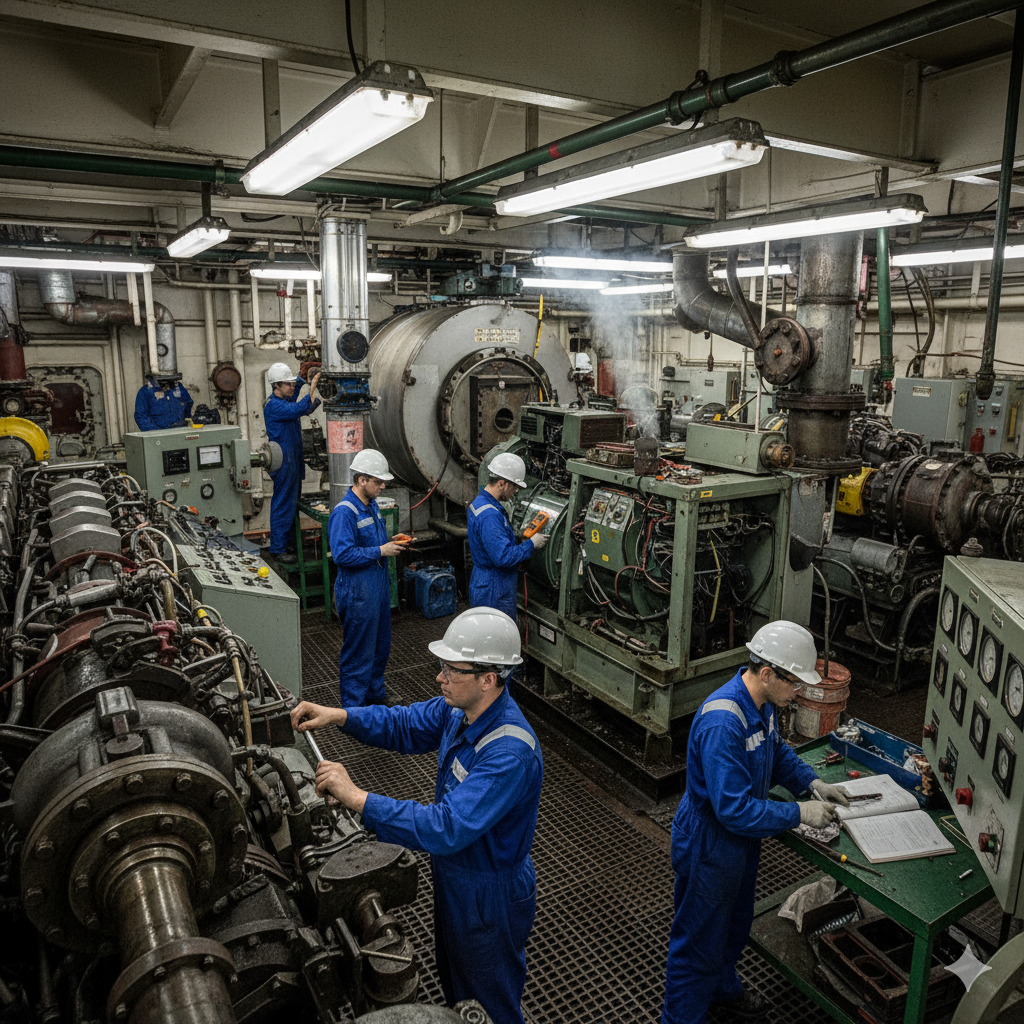
See All Courses

Beyond News: Complete Maritime Solutions

Shipping News

Engine Parts Information

Bridge Parts Information

Learn More
Learn More
Learn More
View all Blogs
“Charting Your Path to the Merchant Navy” “I was fortunate to have an amazing tutor who made learning simple and enjoyable. Their guidance turned complex concepts into easy-to-understand lessons, inspiring me to achieve more. At Fleet Frontier, we aim to provide the same supportive and engaging learning experience for all our students.
A hand holding a cloud-shaped speech bubble cutout on a neutral background.
Fleetfrontier
fleetfrontier.in

About Us

Welcome to FleetFrontier, a leading platform dedicated to empowering the next generation of Merchant Navy professionals. We are more than just a maritime information hub — we are a community built by seafarers, for seafarers. Our mission is to guide aspiring mariners toward a rewarding career at sea, while sharing authentic knowledge about the world of shipping, ship operations, and maritime life.

Read More

Quick Links

Menu
  • Home
  • About
  • Blogs
  • Courses
  • Disclaimer
  • Privacy Policy
  • My Account
  • Contact
  • E-Book

Contact Us

  • Pune-Solapur Highway, Loni-kalbhor, Pune, Maharashtra 412201
  • 91+ 9471664653
  • fleetfrontier@gmail.com