
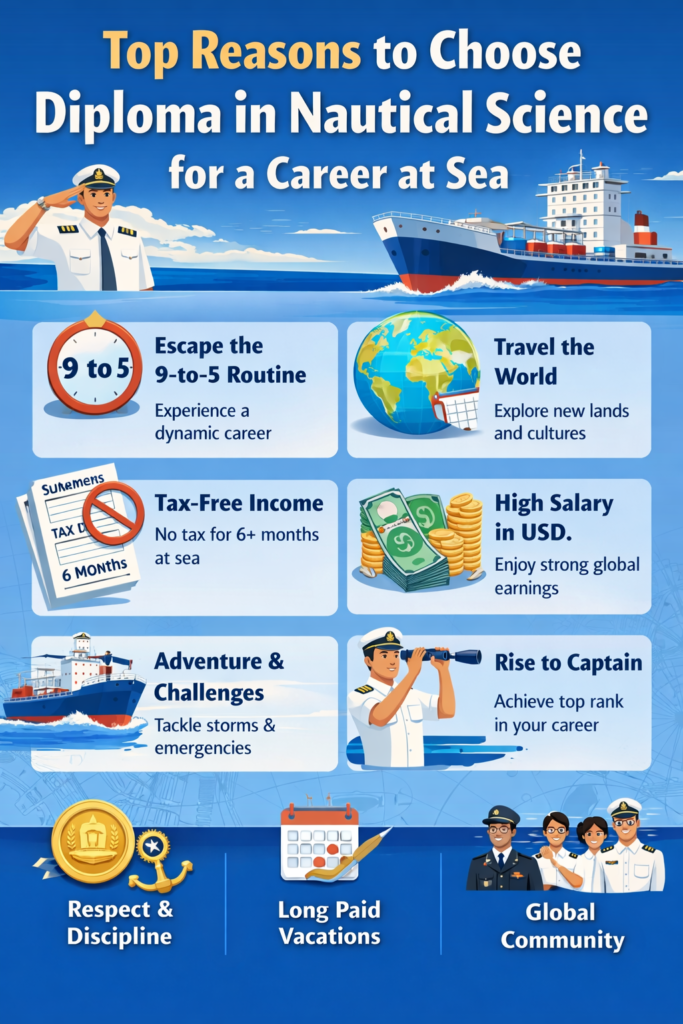
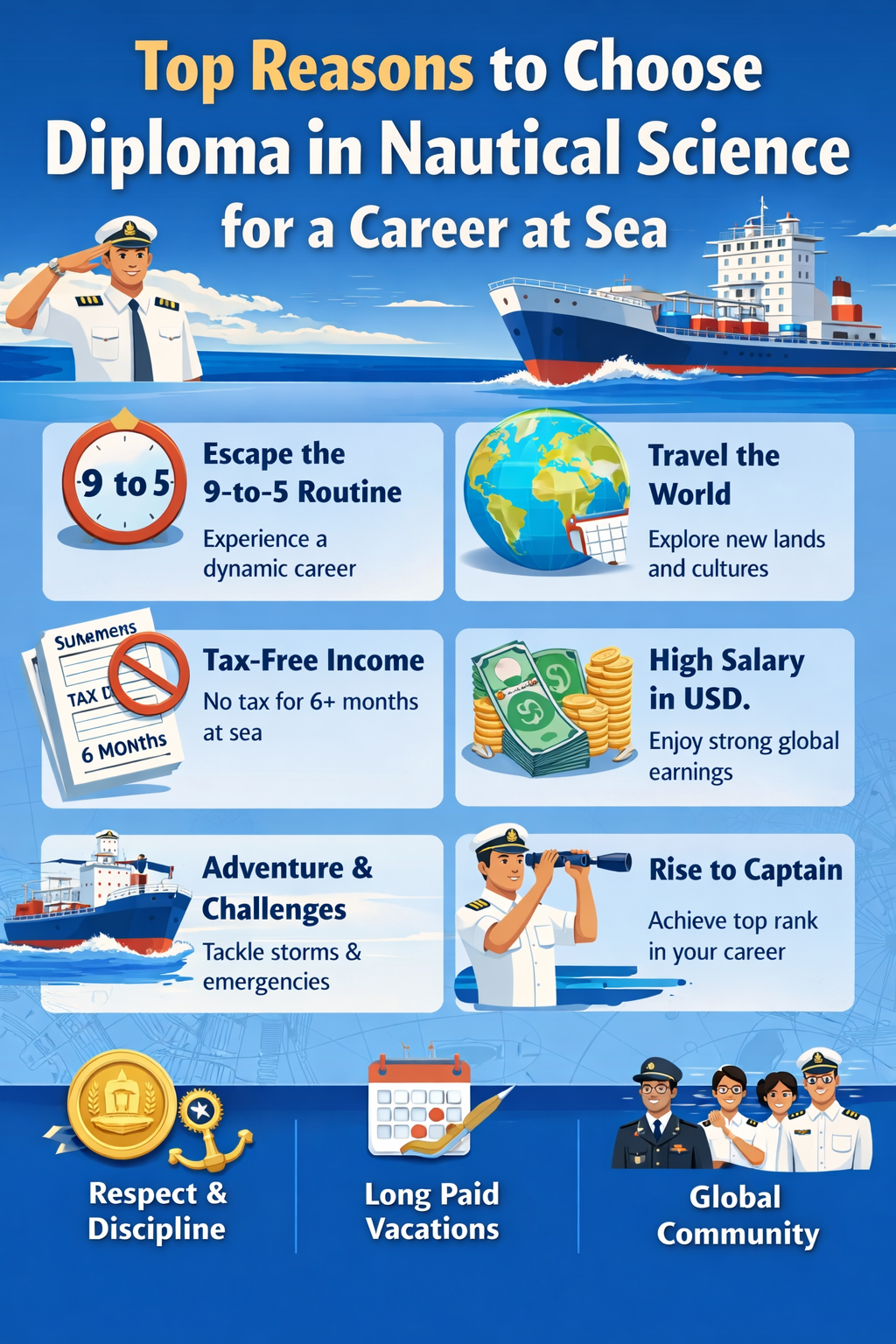
Top Reasons to Choose Diploma in Nautical Science for a Career at Sea
Introduction to Nautical Science as a Career
What is Nautical Science?
Nautical Science is a specialized maritime field focused on navigation, ship operations, safety management, and marine technology. Students who pursue a Diploma in Nautical Science (DNS) learn the complete science behind handling a ship—from steering and route planning to emergency procedures. The course acts as a direct pathway to becoming a Deck Officer.
Who Should Choose Nautical Science?
If the thought of sitting in an office cubicle from 9 to 5 feels restrictive, Nautical Science may be the perfect alternative. This course is ideal for students who love the ocean, enjoy challenges, and have a natural inclination toward leadership and decision-making.
A Career Beyond the Ordinary
Not Your Usual 9-to-5 Job
A career at sea offers freedom from the monotony of office routines. You’re not confined to a single place—instead, your “workplace” moves across oceans and continents. Every day feels different, and that variety makes the career exciting.
Adventure and Challenges at Sea
Life at sea comes with unpredictable situations—weather changes, navigation adjustments, and real-time decision-making. Unlike traditional jobs, this field demands alertness and courage. Over time, this builds strong discipline and confidence.
Global Travel and Cultural Exposure
Visiting New Countries
One of the biggest attractions of DNS is the chance to visit multiple countries during training and work contracts. You get to explore famous ports and cities across Asia, Europe, the Americas, and more—all while being paid.
Learning from Different Cultures
Meeting people from various nationalities enriches your worldview. You learn new work ethics, lifestyles, and traditions. This global exposure enhances communication skills and makes you adaptable.
High Demand and Job Security
Merchant Navy Requirements
Global trade relies heavily on maritime transport—about 80% of world trade by volume is carried by sea (Source: International Maritime Organization). This huge demand means there will always be a need for skilled officers and crew.
Growth of the Shipping Industry
As countries expand their imports and exports, shipping companies continuously require trained professionals. DNS graduates often find opportunities faster compared to many land-based technical careers.
Respect, Discipline, and Professionalism
A Disciplined Lifestyle
Life on board a ship follows a structured routine. This instills discipline, punctuality, and professionalism—qualities that stay with you forever.
Leadership and Responsibility on Ships
Deck officers play a significant role in the safety of the ship, crew, and cargo. From navigation to managing deck operations, they handle responsibilities that build strong leadership qualities.
Top Reasons to Choose Diploma in Nautical Science for a Career at Sea
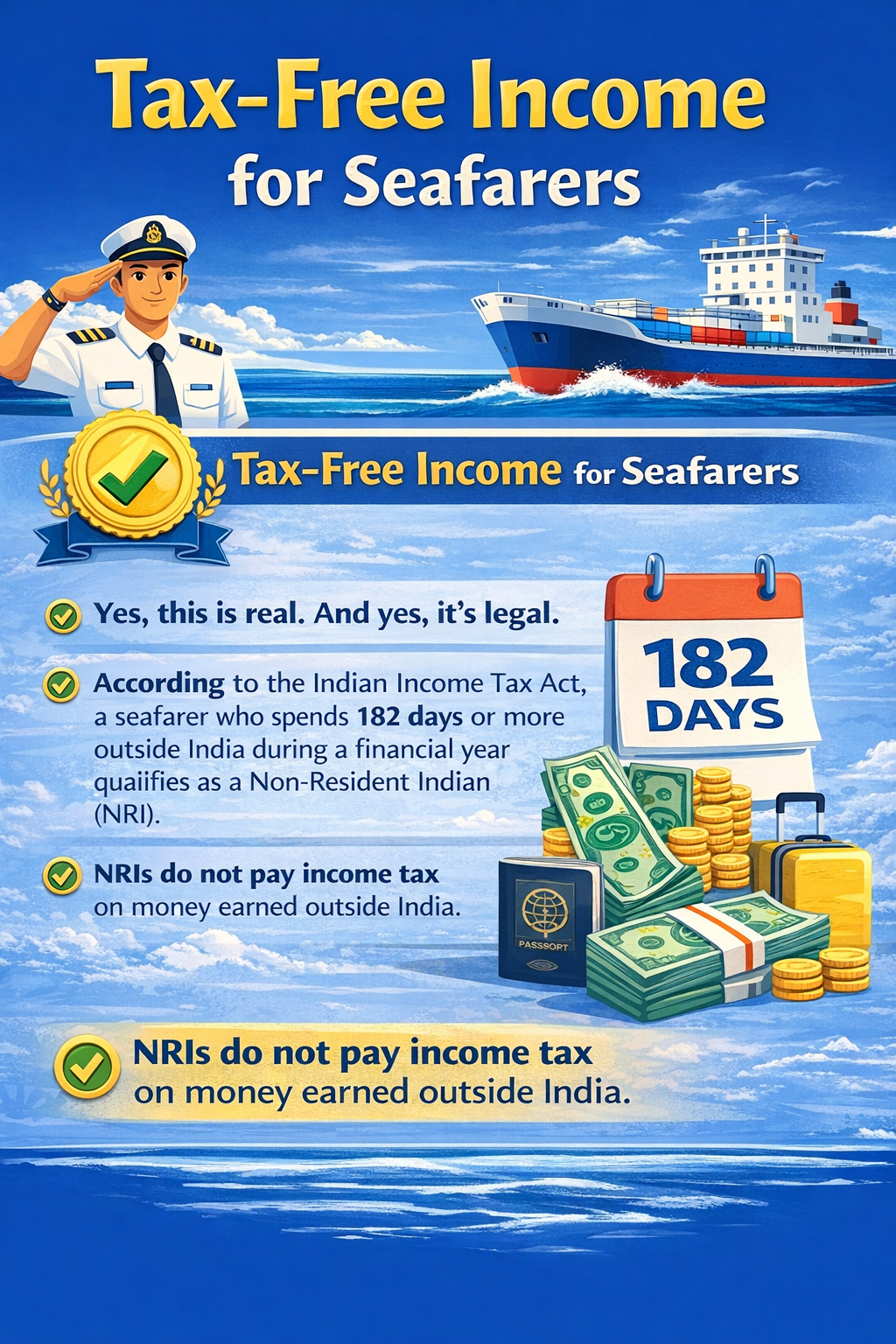
According to Indian tax laws, a seafarer who stays outside India for 183 days or more in a financial year qualifies as a Non-Resident Indian. This makes their foreign income tax-free under the Income Tax Act (Source: Government of India guidelines).
This tax exemption is one of the most appealing advantages of a maritime career.
This tax exemption is one of the most appealing advantages of a maritime career.
Realistic Earning Potential
DNS graduates start earning as deck cadets. With experience and promotions, officers can earn significantly high salaries. Even mid-level officers earn salary that are above most conventional industries.
Skills and Knowledge You Gain in DNS
Navigation and Ship Handling
DNS teaches you how to read charts, use GPS, handle ship routes, understand tides, and operate modern navigation systems. These skills are essential for safely guiding a vessel.
Emergency Response and Decision-Making
Handling emergencies such as rough weather, machinery issues, or navigation hazards improves your decision-making abilities. These real-world challenges build mental strength and resilience.
Merchant Navy as a Prestigious Career
Global Recognition
Merchant Navy officers are respected worldwide due to their technical knowledge and operational responsibilities. Shipping companies value professionalism, discipline, and safety skills.
Pride and Honor Associated with the Profession
Serving at sea brings a sense of pride. You manage huge vessels, handle international cargo, and contribute to global trade—an essential part of the world economy.
Growth After Diploma in Nautical Science
Becoming an Officer
After completing DNS and gaining sea-time experience, students appear for the second mate examination. Once cleared, they become certified officers.
Long-Term Career Path to Captain
With consistent training, exams, and experience, you can rise through the ranks:
Cadet → Third Officer → Second Officer → Chief Officer → Captain
The highest rank on a ship, Captain, commands immense respect and responsibility.
Cadet → Third Officer → Second Officer → Chief Officer → Captain
The highest rank on a ship, Captain, commands immense respect and responsibility.
Why DNS Is a Smart Academic Investment
Short Duration with High Value
The DNS course usually covers one year of academics followed by on-board training. Compared to long-term degrees, this short timeline leads to faster employment and growth.
Industry-Relevant Curriculum
The curriculum includes navigation, cargo handling, meteorology, marine law, and ship safety. These subjects directly match the needs of the maritime industry.
Eligibility and Ideal Traits for Students
Basic Eligibility
Most maritime institutes follow guidelines from the Directorate General of Shipping (DGS). Requirements typically include:
- 10+2 with PCM
- Medical fitness (eyesight and physical standards)
- Age limits as per DGS rules
Personality Traits Required
Ideal candidates should be:
- Confident
- Disciplined
- Physically fit
- Quick thinkers
- Comfortable with long periods away from home
Conclusion
Choosing a Diploma in Nautical Science is more than selecting a course—it’s choosing a life of adventure, discipline, global exposure, and professional respect. The Merchant Navy offers unmatched career growth, tax-free income, and an opportunity to see the world. If you’re someone who dreams beyond the traditional office job, DNS is a powerful step toward a rewarding future at sea.
FAQs
1. Is DNS a good course for the Merchant Navy?
Yes, DNS is the primary pathway to becoming a Deck Officer, offering structured training and a strong career foundation.
2. Do seafarers really get tax-free income?
Yes. If they stay outside India for 183 days or more in a financial year, they qualify for tax exemption as per Indian tax rules.
3. How long does it take to become a Captain?
On average, it takes 10–15 years depending on performance, exams, and sea-time experience.
4. Is the Merchant Navy safe?
With modern technology, strict regulations, and safety protocols, merchant ships are safer than ever.
5. Can girls apply for Diploma in Nautical Science?
Absolutely. Many shipping companies encourage female cadets and officers, and the number is growing every year.
diploma in nautical science, reasons to choose nautical science, nautical science career, career at sea after DNS, merchant navy nautical science, DNS course benefits