
Real Life Incident: Heavy Weather Damage to a VLCC – A Stark Reminder of Sea Power
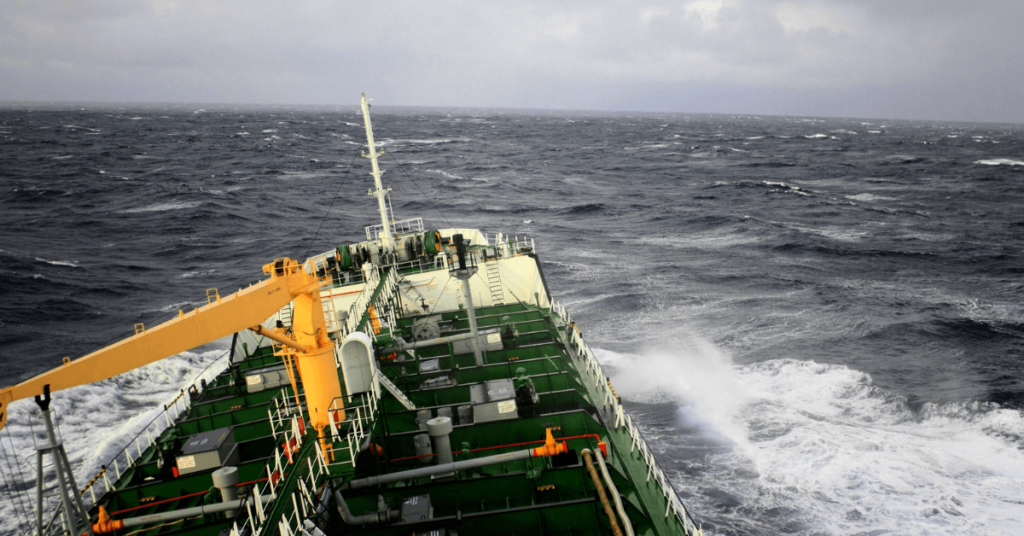
Real Life Incident: Heavy Weather Damage to a VLCC – A Stark Reminder of Sea Power. Heavy weather remains one of the most serious operational risks in merchant shipping. A real-life incident involving a fully laden Very Large Crude Carrier (VLCC) clearly demonstrates how extreme sea conditions can severely damage even the largest and strongest vessels.
Incident Overview
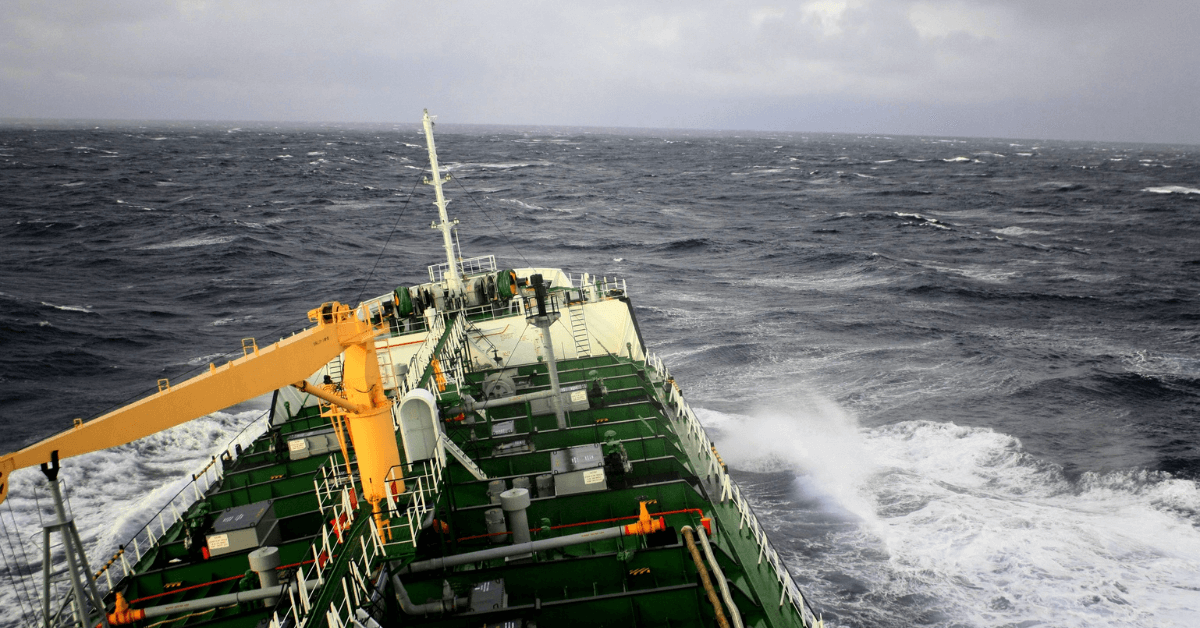
The incident occurred when the VLCC encountered an intense Atlantic depression while transiting near Île d’Ouessant (Ushant), France, en route to discharge cargo at Rotterdam. The vessel sailed directly into severe weather, facing winds exceeding 60 knots and sea and swell heights over 10 metres.
Heavy Weather Conditions and Impact
Due to extreme rolling and pitching, the ship took on repeated volumes of “green water” over the main deck. The force of seawater washing across the deck caused extensive damage to critical safety and operational equipment.
Key Damages Reported:
Loss of forward liferaft
Destruction of fire hose boxes
Loss of immersion suits
Dislodging of deck fittings
Lifting and displacement of the port manifold drip tray
Distortion of safety walkway railings and shelters
These damages significantly compromised the vessel’s lifesaving, firefighting, and emergency response readiness, highlighting the destructive power of uncontrolled green seas.
Why Green Water Is Extremely Dangerous
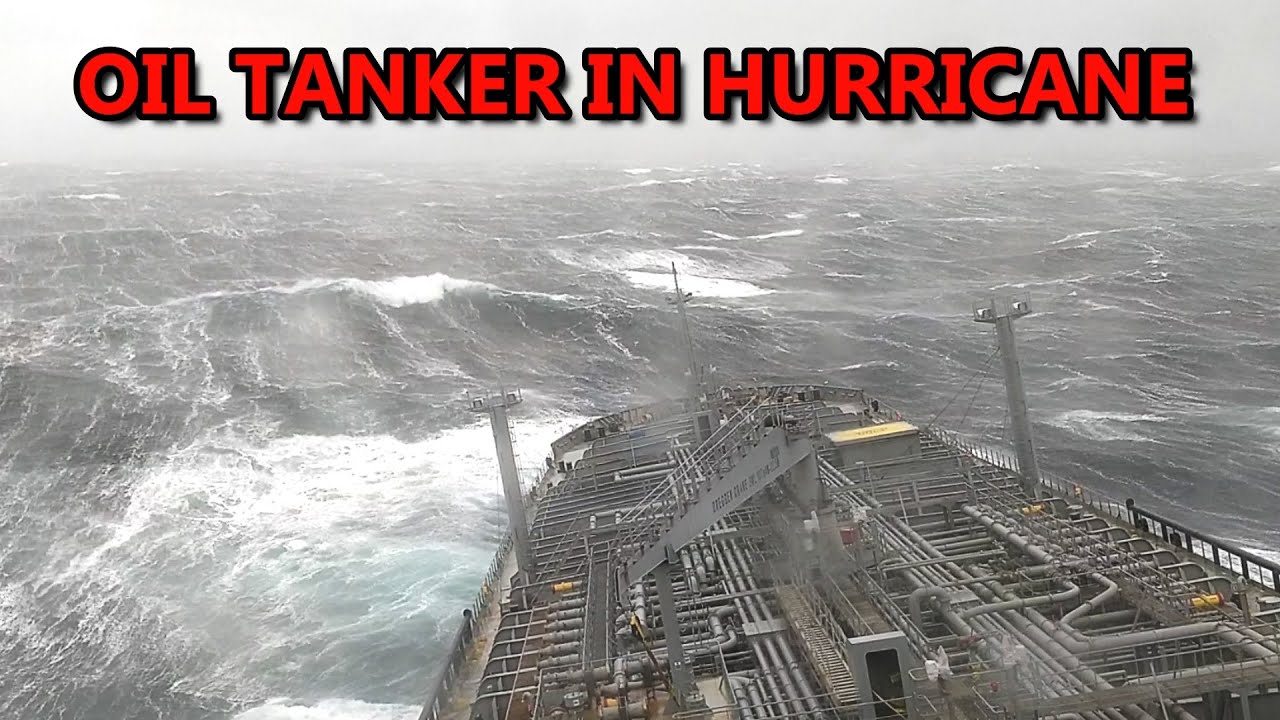
Green water differs from spray or waves breaking at the bow—it is a solid mass of seawater moving at high speed. When it crashes onto the deck, it can:
Tear away secured equipment
Bend steel structures
Block escape routes
Damage safety-critical systems
Even on large tankers like VLCCs, green water poses a serious threat during heavy weather navigation.
Lessons Learned from the Incident
This incident offers vital learning points for seafarers and ship operators:
Weather Routing Is Critical – Avoiding severe depressions can prevent structural and safety damage.
Securing of Deck Equipment – Lifesaving and firefighting gear must be secured to withstand extreme forces.
Heavy Weather Preparedness – Regular drills and inspections ensure readiness for emergencies.
Structural Design Awareness – Manifold areas and deck fittings must be checked for heavy-sea resilience.
Safety Over Schedule – Delays are preferable to risking crew safety and vessel integrity.
Conclusion
This real-life VLCC heavy weather incident near Ushant stands as a powerful reminder that nature always dominates the sea. Even modern, massive tankers are vulnerable when exposed to extreme conditions. Proper planning, vigilant watchkeeping, and strict adherence to heavy weather procedures remain essential to safeguarding lives, cargo, and vessels.